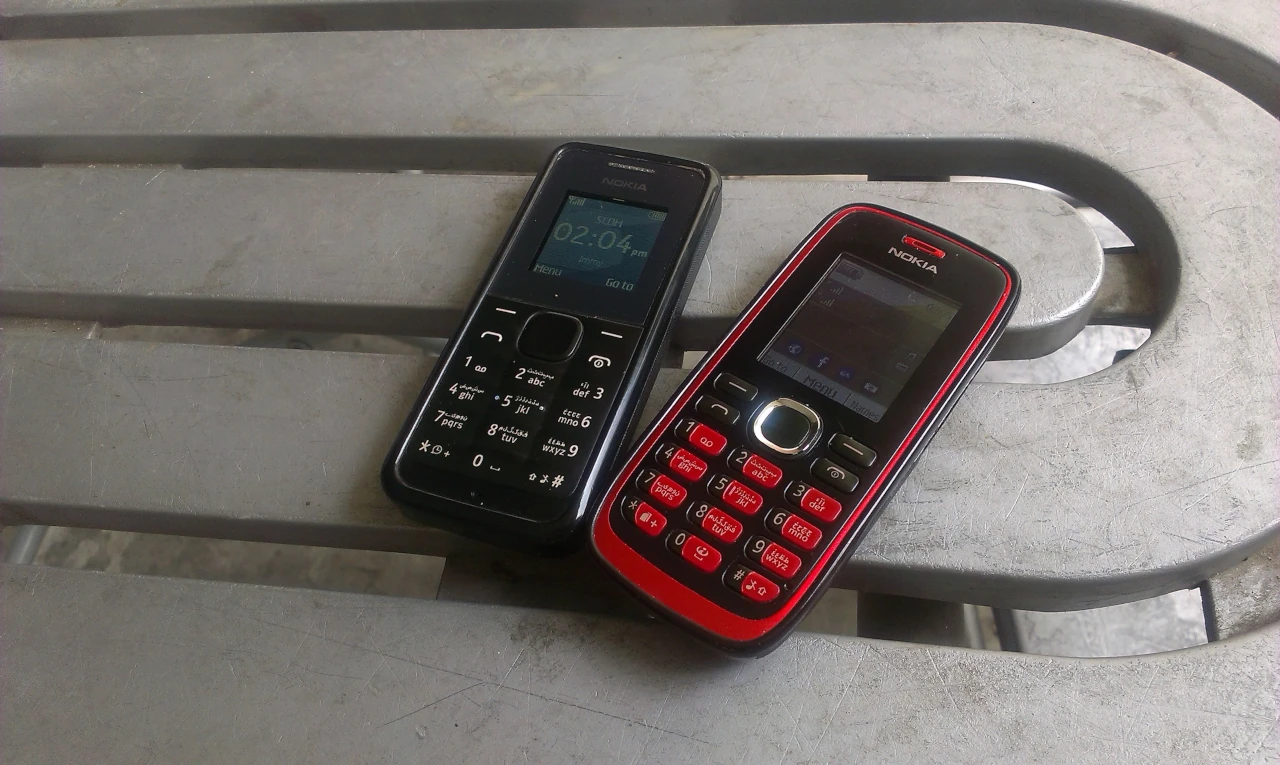
What is a Dumbphone?
A dumbphone is exactly what it sounds like: a mobile phone that isn’t trying to be smart. No bright touchscreen begging for swipes. No endless app store. No notifications buzzing every few minutes. These devices stick to the basics — calls, texts, maybe a simple calculator or an alarm clock.
Think of the phones people carried in the early 2000s. Physical buttons. Tiny monochrome or basic colour displays. Batteries that last a week. Some modern dumbphones add a few extras like a basic camera or music player, but nothing that pulls you into an attention trap. Brands like Nokia, Punkt., and Light Phone make them. They serve one purpose: keeping you connected to people without chaining you to the internet.
Dumbphones aren’t about rejecting technology. They’re about choosing what actually matters.
Why Dumbphones?
Because constant scrolling has quietly stolen something precious from daily life. Check your screen time report if you dare. Most adults pick up their phones over a hundred times a day. Each glance chips away at focus, conversation, and rest. Dumbphones break that cycle by removing the fuel — addictive feeds, infinite videos, and shiny notifications.
Without those, you stop reaching for a device every time you wait for coffee or sit on a bus. You start noticing the world again.
People have realised that smartphones, for all their convenience, come with a hidden cost. Anxiety rates climbed alongside app downloads. Sleep suffered under blue light and late-night doomscrolling. Parents worry about kids glued to screens. Workers feel burned out by always-on expectations.
Dumbphones offer a clean reset. They flip the question from “what else can this phone do?” to “what do I actually need right now?” The answer, for a growing crowd, is less. Less noise. Less distraction. Less guilt about wasted hours. And that simplicity feels like freedom.
Who Will Use Dumbphones Under This Trend?
This isn’t just for tech hermits or grandpas refusing to upgrade. The dumbphone trend attracts a surprising mix of people.
Burned-out professionals in their twenties and thirties. They’ve spent years answering Slack pings after dinner, checking emails before brushing teeth, and feeling their brains fragment into tiny pieces. They don’t hate technology. They hate what it’s done to their attention spans. Switching to a dumbphone for evenings or weekends gives them breathing room.
Parents raising young children. These mums and dads watch their own habits and worry about setting examples. They want to look their kids in the eyes instead of down at a screen. A dumbphone helps them stay reachable for school emergencies without becoming distracted playmates.
Students and young adults tired of social media’s pressure cooker. Gen Z especially shows signs of rejecting constant connectivity. Many remember life before TikTok’s takeover. They crave real conversations, not just likes. A dumbphone becomes a quiet rebellion.
People recovering from digital addiction or anxiety disorders. Therapists sometimes recommend dumbphones as part of treatment. Removing triggers helps rebuild healthier relationships with technology.
Outdoor workers and tradespeople. Construction crews, landscapers, and warehouse staff don’t need Instagram on the job. They need reliable calls and texts. A rugged dumbphone survives drops and dust better than any glass sandwich.
Minimalists and environmentalists. Dumbphones last longer, use fewer resources to manufacture, and charge less often. That means smaller carbon footprints.
Older adults who found smartphones confusing or frustrating. Big buttons and straightforward menus work better for them.
The trend keeps growing because no single type of person owns boredom or distraction. Anyone feeling overwhelmed by their pocket computer might find a dumbphone oddly liberating.
What Will Users Lose by Switching to a Dumbphone?
Let’s be honest. Going back to a dumbphone means giving up some genuinely useful things.
- Maps and navigation. Getting lost without Google Maps feels different. You’ll need to read physical signs, ask strangers for directions, or print routes beforehand.
- Mobile banking. No quick check of account balances, no depositing cheques by photographing them, no sending money instantly to friends.
- Ride-hailing apps. No Uber or Lyft when your car breaks down or after a few drinks. You’ll call a taxi company like it’s 1999.
- WhatsApp and Signal. Group chats vanish. International texting might cost money again.
- Music streaming. Spotify and Apple Music won’t work. You’ll carry an old iPod or go back to CDs and radio.
- QR code scanning. Restaurants with digital menus become frustrating. Event tickets living inside apps become inaccessible.
- Two-factor authentication apps. Many websites now assume everyone has a smartphone. Breaking that assumption causes friction.
- Camera quality. Dumbphone cameras produce grainy, low-resolution images. No portrait mode. No editing on the device.
The loss list looks intimidating because smartphones solved real problems. Dumbphones don’t pretend otherwise. The question isn’t whether you lose things — you definitely do. The question is whether those losses hurt more than the constant low-grade misery of endless scrolling.
The Real Benefits of Using a Dumbphone
Now for the good part. What do you gain?
Time. Actual, measurable hours of your life back. The average person spends over three hours daily on their smartphone — nearly fifty full days per year. Dumbphone users report finding those hours again. They read books. They cook proper meals. They learn guitar. They let their minds wander, which turns out to be essential for creativity and emotional processing.
Attention. Real, deep, uninterrupted attention. You’ll finish tasks without that phantom buzz feeling. Conversations with family become richer when you aren’t glancing at a screen. Your brain stops switching contexts every ninety seconds, which means less mental fatigue by dinnertime.
Sleep quality. No blue light before bed. No late-night doomscrolling spirals. No checking “just one more thing” at 11 pm. Dumbphone users fall asleep faster and wake up feeling more rested.
Presence. You show up for your life instead of documenting it. You watch your kid’s school play through your own eyes, not through a camera lens. You hear the bird outside your window. Small moments stack into genuine happiness.
Battery life. Most dumbphones last three to seven days on a single charge. Forget hunting for outlets or carrying power banks.
Durability. Drop a dumbphone on concrete. Pick it up. Keep talking. No shattered glass, no cracked screens, no expensive repairs.
Cheaper bills. Dumbphones cost less upfront — often under a hundred bucks. Monthly plans run cheaper too because you aren’t paying for gigabytes of data.
Better mental health. Studies link heavy smartphone use to higher rates of anxiety, depression, and loneliness. Countless users describe feeling calmer, more patient, and less irritable within weeks of switching.
Stronger relationships. Without phones at the table or on the couch, you actually talk to the people beside you. Couples argue less. Friends laugh more.
Rediscovered boredom. Boredom isn’t the enemy — it’s where ideas grow. Waiting in line used to spark daydreams and observations. Dumbphones bring back those empty spaces where your own thoughts can breathe.
Privacy. No apps tracking your location, scanning your contacts, or selling your habits to advertisers. A dumbphone just does what you tell it and forgets the rest.
The benefits don’t show up in screen time reports or app analytics. They show up in your bones. Less scroll. More life. That’s the whole deal.